


Download the 2022 Email Trends and Observations Report
Oops! Something went wrong while submitting the form.


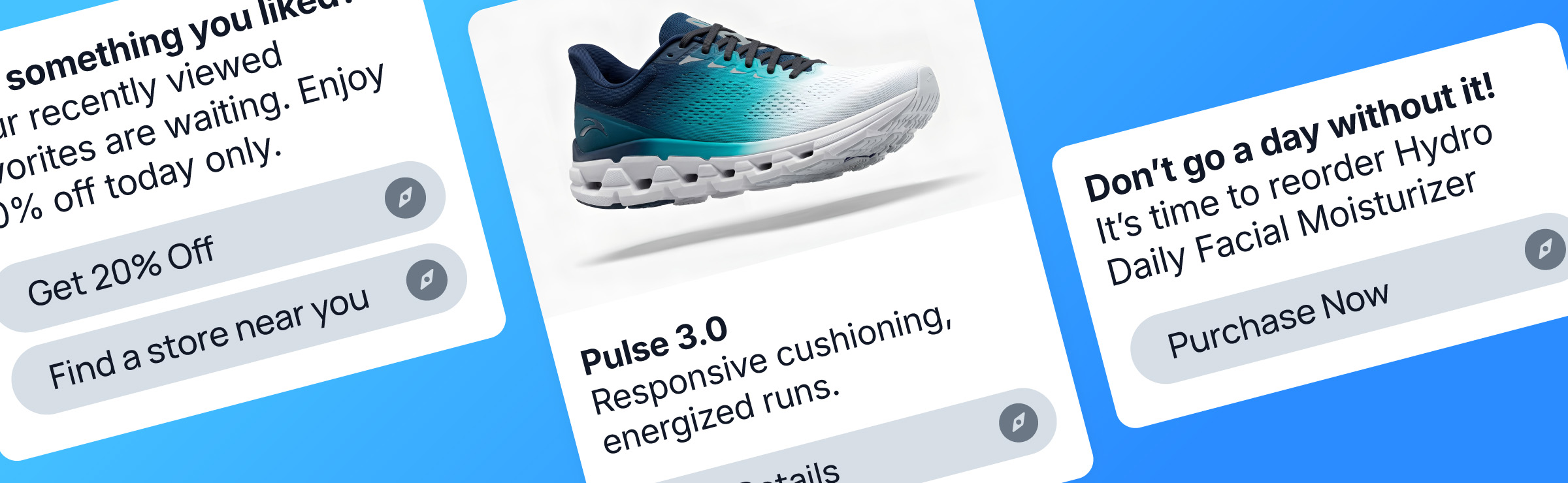
As consumer behavior increasingly shifts to mobile for research, browsing, and purchasing, SMS has become one of the most effective channels in a marketer’s toolkit. But its 160-character limit has always restricted what brands can do. RCS changes that.
Apple’s release of iOS 18 in fall 2024 brought RCS to iPhones, giving brands the ability to deliver rich, visual, and interactive messaging experiences directly within the messaging app. The channel is already proving its impact: in Listrak’s first U.S. RCS campaign with a leading luxury retailer, messages generated more than 2x the revenue per send compared to SMS/MMS.
Instead of sending text-only (SMS) or text-plus-media (MMS) messages that push users elsewhere, RCS enables more guided, interactive experiences, bringing key elements of the website or app directly into the text inbox.
With RCS, brands can:
As RCS adoption continues to grow, there are a few important considerations:
RCS will play a key role in modern messaging strategies. While SMS and MMS remain effective for broad reach and time-sensitive communication, RCS introduces a new layer of personalization, interactivity, and trust, enabling deeper engagement and stronger performance.
One of the most impactful differentiators is the Sender Agent. With verified branding directly in the inbox, including brand name, logo, and contact card, customers can instantly recognize and trust the sender. This added layer of verification builds confidence and drives action, with Listrak brands seeing up to a 58% increase in click-through rates.
For brands looking to explore RCS, a phased approach works best:
Early adopters will be best positioned to define best practices and capture incremental revenue. At Listrak, we help brands launch and sale RCS through Sender Agent setup, campaign strategy, and cross-channel messaging support.


